

Grandiose Automation Product
Get a Free Quote
Motion Control & Servo Systems
Precision motion control systems featuring servo motors and drives for applications requiring exact positioning and speed regulation. Ideal for packaging, CNC, pick & place systems, and synchronized multi-axis control.
Motion control systems are integral to precise and automated movement in manufacturing and industrial applications. These systems combine software, hardware, and mechanical components to control the position, speed, and torque of moving parts in machinery. A servo system specifically refers to a closed-loop system where motors are controlled using feedback to ensure accurate and precise movement.
Key Components of a Motion Control & Servo System
The heart of the servo system. These motors (AC, DC, or brushless) are designed to provide high-precision control over position, speed, and torque. Unlike traditional motors, they incorporate a feedback device (encoder or resolver) to monitor and adjust performance in real-time.
The "brain" of the motion control system. This controller sends commands to the servo motor, instructing it on the required movement based on real-time inputs. It can handle complex tasks like trajectory planning, synchronization of multiple axes, and error correction. These controllers are programmed to interpret input commands (e.g., position, speed) and translate them into motor actions.
These devices measure the position, speed, or rotation of the motor's shaft. They provide crucial feedback to the motion controller, allowing the system to adjust and correct any deviation from the desired path, ensuring accurate movement and preventing overshooting.
The drive system provides the necessary power to the servo motor based on the signals received from the controller. It amplifies the controller's signals and regulates the motor's current, voltage, and frequency to achieve the desired movement.
An essential component, ensuring the system has the required electrical power to run. Power supplies vary in type, depending on the system’s voltage and power needs.
The physical parts that translate the servo motor's rotary motion into linear motion or controlled mechanical action. Gearboxes, actuators, couplings, and bearings are used to optimize the movement and provide the necessary mechanical advantage.
Allows the motion controller to communicate with higher-level systems like PLCs, HMIs, or SCADA systems. Common communication protocols include Ethernet/IP, Modbus, and CANopen, enabling smooth integration with the larger factory automation ecosystem.
Key Applications of Motion Control & Servo Systems
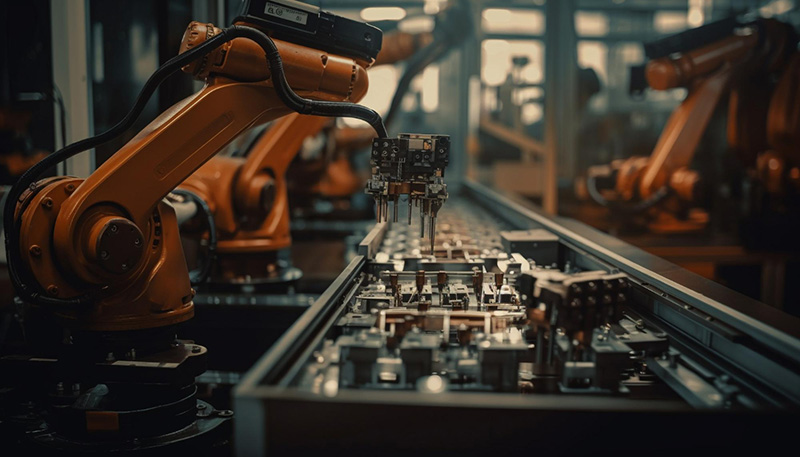
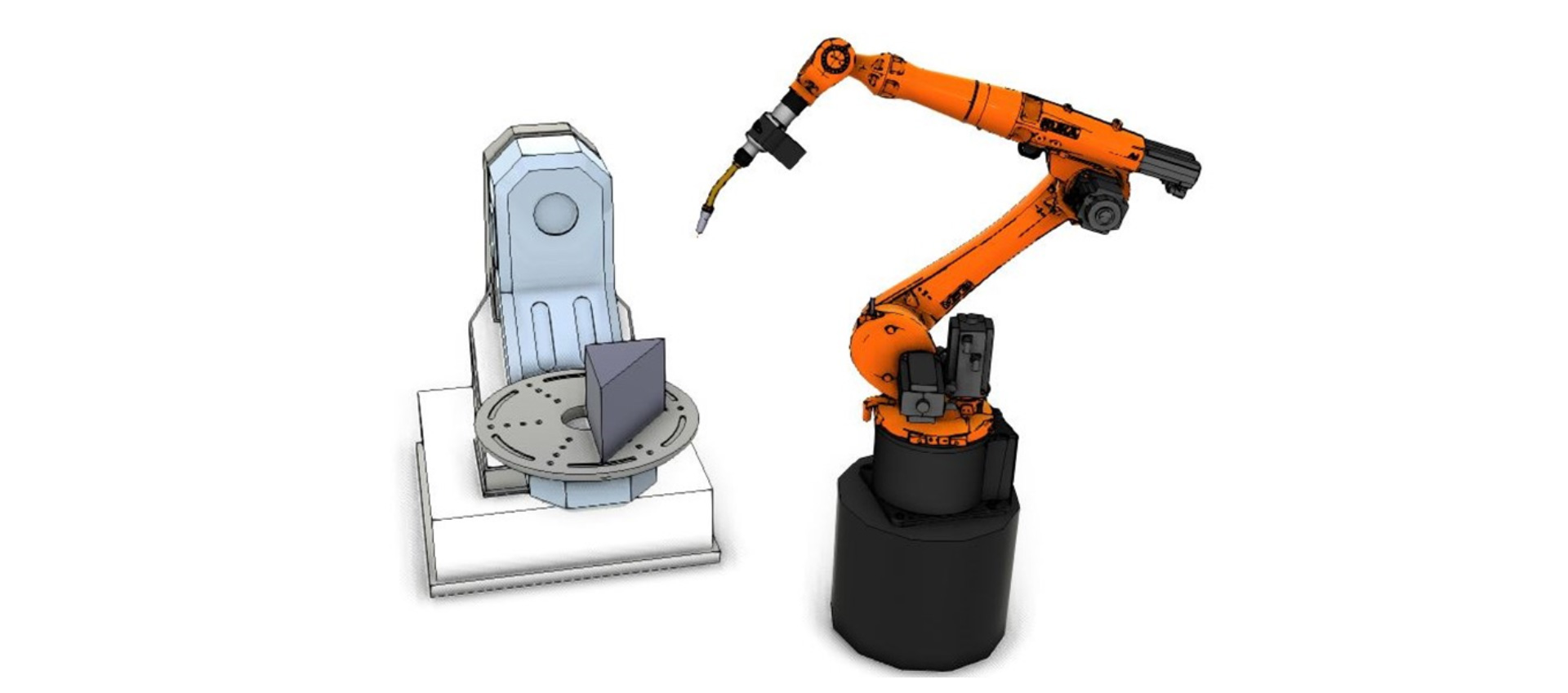
Servo systems provide precise control of robotic arms, enabling them to perform tasks such as welding, painting, assembly, or material handling. These systems ensure that robots can perform accurate, repetitive tasks with minimal deviation.
CNC machines rely heavily on motion control and servo systems to achieve fine precision in milling, turning, drilling, and cutting operations. The ability to control multiple axes simultaneously is crucial for high-quality machining.
Motion control systems ensure that packaging and labeling equipment can run at high speeds without sacrificing precision. This includes synchronizing movements like filling, capping, and sealing products, ensuring a smooth production line.
Servo systems control the precise movement of print heads and platforms in 3D printers, enabling the layer-by-layer construction of objects with high accuracy.
In automated material handling, motion control systems help manage the speed, synchronization, and positioning of conveyors, ensuring smooth transfer of products across various stages in a production process.
Motion control systems are used in test equipment, such as oscilloscopes, or automated test systems, to simulate real-world conditions and apply precise forces or movements in product testing.